

Pest Control in Fairfield, ME
I am Jesse Huff, and I run Wildlife Chief out of Athens, a straight run up Route 201 from Fairfield. I hold a Maine Commercial Master Applicator license, CMA-6321, and I handle pest control and wildlife removal for homes and businesses in Fairfield village, Fairfield Center, Shawmut and Hinckley. Most of what I get called about in this town comes back to the same thing: the houses are old, and old houses have more ways in than new ones.
Request a Callback
Fill out the form below and we will call you back to talk about your project.
Fairfield Houses Are Older Than Almost Anywhere in Maine
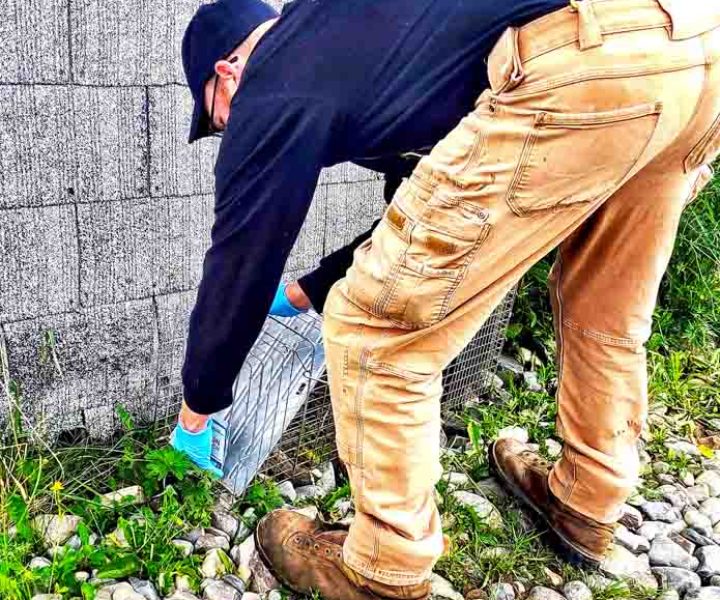
More than half the homes in Fairfield were built before 1940, and the median build year is 1938. That is not a detail for a history plaque. It is the reason a mouse problem here is usually a building problem rather than a food problem.
Houses from that era sit on fieldstone and rubble foundations that shift and open up. Sills rot where grade has crept up against them over eighty winters. Balloon framing gives a mouse a clear run from the cellar to the attic without ever crossing a room. When I get called for mice in a Fairfield farmhouse, I spend most of the first visit outside and underneath, finding the gaps, because bait inside a house that is still open is a subscription, not a fix.The River Brings Its Own Problems
The Kennebec runs right through Fairfield and drops thirty-four feet at the falls. A river corridor is a highway. Raccoons, skunks and squirrels follow the banks and the treelines, and they end up in the sheds, crawlspaces and attics of the houses nearest the water.
Riverside ground is also damp ground. Damp cellars bring carpenter ants, which do not eat wood the way termites do but will hollow out a wet sill or a joist end that has been sweating for years. If you have ants coming and going along a foundation wall in spring, the ants are telling you where the moisture is.
Ticks in Somerset County
My license carries category 7E, which is the Maine category for biting flies and other arthropod vectors, ticks included. That matters here because Somerset County reports Lyme disease at a rate above the Maine state average, and Maine’s rate is already one of the highest in the country.
Tick work is about the edges of a property rather than the middle of the lawn. Deer ticks sit in the leaf litter where mown grass meets brush, along stone walls and under the shade at the bottom of a treeline. That is where I treat, and it is why I want to walk the property line with you rather than quote off a map.Wildlife in the Attic, and Why Timing Matters
Bats, squirrels and raccoons all use Fairfield attics, and an old roofline gives them plenty of choices: a lifted soffit, a gap at the ridge, a rotted fascia corner.
The fix is exclusion rather than trapping alone. I find the openings, let the animals out and close the building up behind them so the same route cannot be used next year. Timing is part of doing that properly: seal a bat colony out at the wrong point in the summer and you trap flightless pups inside a wall, which is worse for the animals and worse for your house. I will tell you when the work should happen, and if it needs to wait a few weeks, I will say so.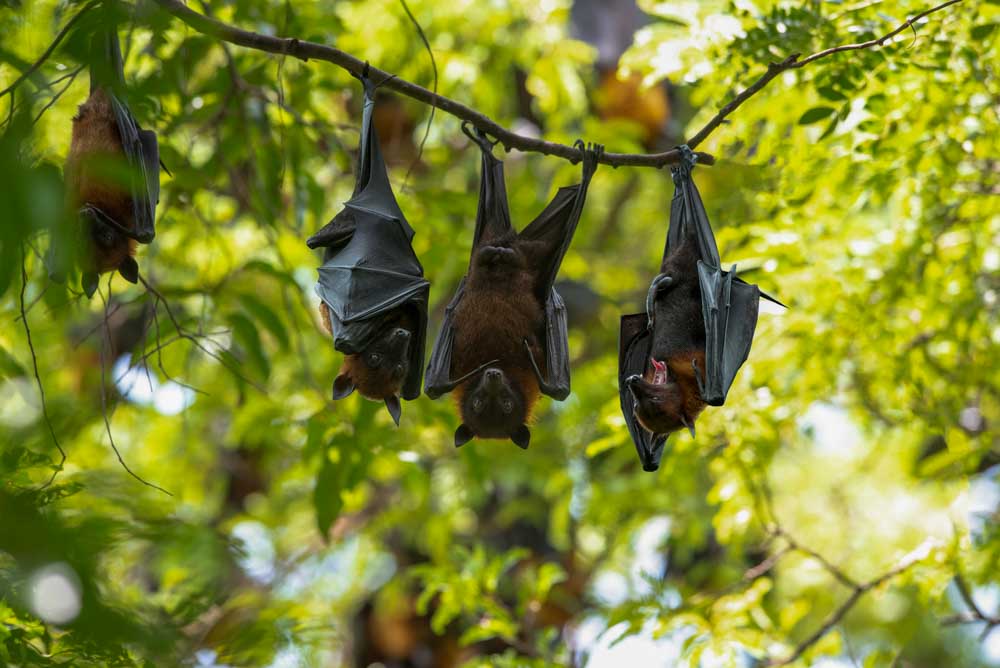

Fairfield Is a Big Town on the Map
Fairfield covers fifty-four square miles, and a service call to a house on the river in the village is a different job from one out toward Larone or up past Shawmut. Outbuildings, barns, woodpiles and treelines all change what is coming in and from where.
I am in Fairfield regularly on the way between Athens and Waterville, which is three miles down the road. If you are in town and want an opinion on something before it becomes a problem, that is an easy stop for me to make.
Call or text me at (207) 612-6231 and tell me what you are seeing. I answer seven days a week, eight in the morning to six at night, and I would rather look at something early than deal with it after it has had a winter to settle in.
Send Me a Message
"*" indicates required fields
Don’t wait!
Reach Out To Me
Do you have a wildlife or pest problem? Don’t wait! Contact me today for fast, reliable wildlife removal services in Fairfield, ME.